

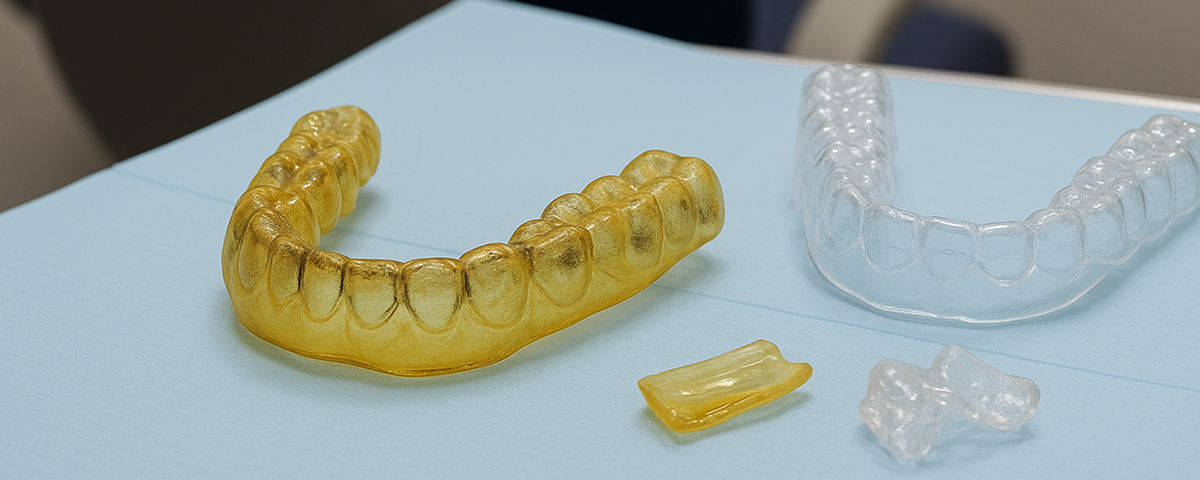
Oral appliances are a recommended and effective therapy to treat sleep apnea, offering a comfortable alternative to CPAP machines. Oral appliances for sleep apnea work by gently repositioning your jaw to keep your airway open during sleep. While these devices are durable, they do not last forever. Recognizing when to replace oral appliances for sleep apnea is essential for maintaining your sleep quality and overall health. Using a worn or damaged appliance can reduce effectiveness and even cause discomfort or dental issues.
In this guide, we’ll explore the most common indicators that it’s time for a new device, how often you should consider replacement, and how to spot early warning signs to prevent interruptions in your therapy.
Key Takeaways
- Oral appliances for sleep apnea are helpful devices, but they can show signs of wear over time.
- Some signs you need to replace oral appliances include cracks, warping, or a loose fit.
- Persistent discomfort, jaw soreness, or pressure indicates your device may no longer be aligned properly.
- Changes in sleep quality, like snoring, fatigue, or frequent awakenings, can signal reduced effectiveness of these oral devices.
- Regular cleaning, proper storage, and dental checkups help keep your appliance working longer and more effectively.
Oral Appliance Wear And Tear Signs
Like any dental device, oral appliances experience wear over time. Even with careful cleaning and proper storage, everyday use can cause subtle changes that impact their performance. Here are some common oral appliance replacement indicators for sleep apnea to watch for.
1: Cracks or Warping
A visible crack, chip, or noticeable warping is an obvious red flag. Over time, the material in your appliance may weaken due to constant pressure and heat from your mouth. If your device has even a small crack, it may not hold your jaw in the correct position. Using a warped appliance or daily life habits can worsen your sleep apnea symptoms instead of helping.
2: Loose Fit
If your oral appliance feels loose or slips during the night, it may no longer be providing proper support. This is one of the most frequent mouthguard replacement signs. A loose device can lead to snoring, disrupted sleep, or jaw discomfort. Adjustments may help in some cases, but a replacement is often the best solution to ensure consistent results.
3: Uncomfortable Pressure or Pain
New oral appliances can feel slightly tight at first, but ongoing discomfort is a warning. Persistent tooth or jaw pain, sore gums, or headaches are signs that the appliance may have lost its optimal alignment. Continuing to wear a painful device can cause dental issues, so addressing discomfort quickly is really important.
4: Stains or Surface Damage
While minor staining from food or drinks is normal, deep discoloration, rough surfaces, or tiny chips can indicate material degradation. Over time, these imperfections can accumulate bacteria, leading to hygiene concerns and unpleasant odors. Maintaining cleanliness is crucial, but severe surface wear is an indicator that a new appliance may be necessary.
5: Changes in Sleep Quality
Even subtle changes in how rested you feel in the morning can signal an ineffective device. If you notice snoring returning, frequent awakenings, or daytime fatigue, your oral appliance may not be functioning properly.
Looking for a Comfortable Way to Manage Sleep Apnea?
Discover custom oral appliances designed to treat sleep apnea comfortably and effectively.

How Often to Replace an Oral Appliance
Knowing when to replace your oral appliance can prevent complications and help you maintain consistent treatment results. Most devices last between two to five years, depending on the material, frequency of use, and your dental structure. However, this can vary because each device is unique and wears differently over time.
Professional Evaluation
Regular dental checkups are key to identifying the right replacement schedule. Your dentist can assess for wear, fit, and effectiveness, and determine when to replace oral appliance for sleep apnea. Even if your device looks fine externally, internal wear can reduce its therapeutic benefits.
Personal Observation
In addition to professional assessments, paying attention to your own experience is crucial. If you notice jaw soreness, increased snoring, or that the appliance feels loose, these are the signals that it may be time for a replacement. Tracking these changes over time can help you avoid long periods of reduced effectiveness.
Material Considerations
Appliances made from softer plastics may wear faster than harder, medical-grade materials. Frequent adjustments or repairs are sometimes possible, but recurring issues usually indicate that a full replacement is the most effective solution.
Early Replacement vs. Delayed Action
Replacing your oral appliance before it fails completely ensures uninterrupted therapy. Waiting too long can worsen symptoms, affect sleep quality, and potentially damage teeth or gums. Watching for mouthguard replacement signs allows you to act proactively.
Additional Tips for Maintaining Your Oral Appliance
Proper care can extend the life of your oral appliance and maintain its effectiveness. Simple daily routines and storage habits make a significant difference.
- Daily Cleaning: Rinse your appliance after each use and brush gently with a soft toothbrush. Avoid toothpaste with abrasives that can scratch the surface.
- Deep Cleaning: Use denture cleaners or solutions recommended by your dentist once or twice a week to prevent bacteria buildup.
- Proper Storage: Always store your appliance in its protective case when not in use to avoid accidental damage.
- Avoid Heat Exposure: High temperatures from hot water or direct sunlight can warp the device. Keep it in a cool, dry place.
- Routine Checkups: Regular dental visits allow your dentist to monitor wear and alignment, helping you determine the right replacement schedule.
Following these steps not only prolongs the appliance’s life but also supports overall oral health.
When to Consider a Replacement
Recognizing signs, you need to replace oral appliance early is essential for maintaining effective sleep apnea therapy. If your appliance shows cracks, warping, or loose fit, or if you experience discomfort, it is time to take action. Returning symptoms such as snoring, restless sleep, or daytime fatigue are also indicators that a new device may be necessary.
Your dentist is your best resource for deciding the exact timing of a replacement. They can also help you select a device that fits your evolving dental structure and lifestyle. Remember, even a well-maintained appliance will eventually reach the end of its lifespan, and replacing it ensures consistent, restful sleep.
Conclusion
In summary, from visible cracks and loose fit to persistent discomfort or changes in sleep quality, paying attention to these indicators ensures your appliance continues to support restful nights.
With proper care, regular dental checkups, and timely replacements, your oral appliance can remain effective for years. At Midwest Sleep REMedies, we are committed to helping you achieve consistent, comfortable sleep with custom-fitted CPAP-free devices based on your needs. By addressing wear and tear early and providing guidance on replacement, we make sure your sleep apnea therapy stays uninterrupted, allowing you to get a restful sleep and wake up refreshed the next day.
Have Questions About Disturbed Sleep?
Don’t wait for the symptoms to get worse. Talk to your doctor, get tested, and take the steps toward better sleep and a healthier life.