
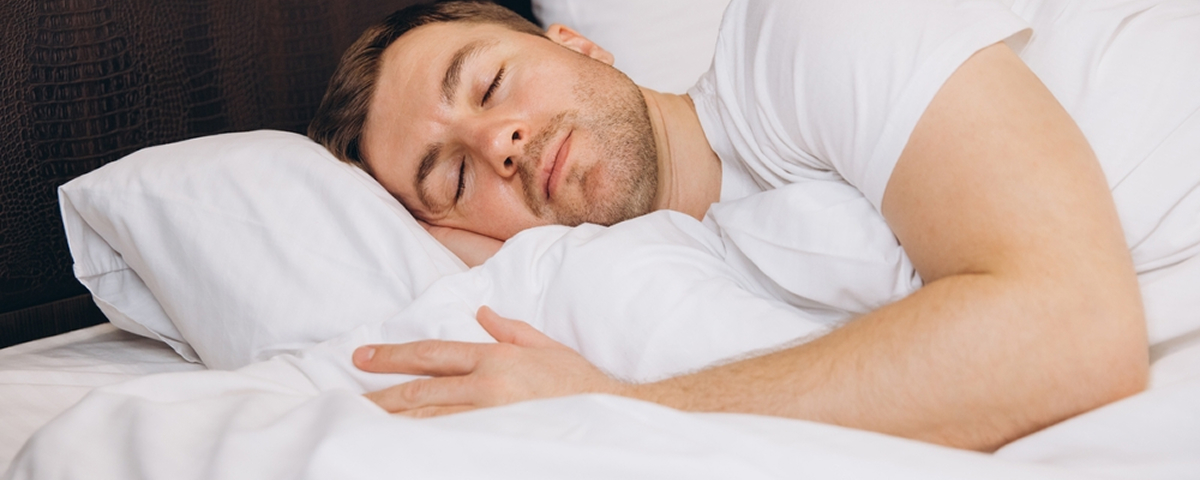
Sleep apnea is often associated with loud, disruptive snoring. However, what happens when someone experiences sleep apnea without snoring? This silent form of sleep apnea can easily go unnoticed, yet it carries the same health risks as more obvious cases.
In this article, we’ll explore the nuances of sleep apnea without snoring, helping you understand the silent symptoms and why early detection is necessary.
Key Takeaways
- Sleep apnea can occur without snoring, making it easy to overlook but just as serious.
- Daytime fatigue, morning headaches, and trouble concentrating may be silent warning signs.
- Lack of snoring does not mean healthy sleep; breathing interruptions can still strain the heart and body.
- Effective treatments are available, including lifestyle changes, CPAP therapy, oral appliances, and surgery.
- Early diagnosis and treatment are essential to protect long-term health and improve sleep quality.
What is Sleep Apnea?
Sleep apnea is a common sleep disorder characterized by repeated episodes of breathing cessation and reinitiation during sleep. These interruptions can last from a few seconds to over a minute and may occur dozens of times an hour. While loud snoring is a well-known symptom, not everyone with sleep apnea snores.
This means that sleep apnea without snoring is a real and often overlooked condition. It can lead to poor sleep quality, daytime fatigue, and serious long-term health issues such as high blood pressure, heart disease, and diabetes.
The Link Between Sleep Apnea and Snoring
Snoring occurs when airflow is partially blocked during sleep, causing the tissues in the throat to vibrate. While snoring is a common symptom of sleep apnea, it is not a requirement for diagnosis.
Many people assume that if they do not snore, they cannot have sleep apnea. This misconception can prevent individuals from seeking the care they need. In reality, silent sleep apnea, sleep apnea without the telltale sound of snoring, is more common than many realize.
Debunking the Myth: Can You Have Sleep Apnea Without Snoring?
Absolutely, you can have sleep apnea without snoring. In these cases, breathing interruptions occur silently. Unlike the classic form of sleep apnea, which is accompanied by loud, disruptive snoring, silent sleep apnea may show little outward indication, making it difficult for partners or family members to notice.
This form of sleep apnea is often referred to as sleep apnea no snoring, and it is just as serious as snoring-related cases. Despite the absence of snoring, the oxygen levels in the blood can still drop, placing strain on the heart and other vital organs.
How Common is Sleep Apnea?
Sleep apnea impacts millions globally. One estimate suggests nearly 1 billion people aged 30 to 69 may have obstructive sleep apnea. Central sleep apnea is less common, but it still affects a significant number of individuals.
Despite its prevalence, many cases go unnoticed, especially when typical signs like loud snoring are absent. Identifying the condition early is crucial to preventing the long-term health risks.
Identifying Sleep Apnea Without Snoring: Silent Symptoms
Even without snoring, sleep apnea symptoms without snoring can manifest in several ways. Key indicators include:
- Daytime Fatigue: Feeling excessively tired during the day, despite getting enough hours of sleep, can be a silent sign of sleep apnea.
- Morning Headaches: Frequent morning headaches may occur due to low oxygen levels during sleep.
- Difficulty Concentrating: Sleep disruptions can impact memory, focus, and overall cognitive function.
- Restless Sleep or Insomnia: Tossing and turning at night without snoring may indicate breathing interruptions.
- Mood Changes: Irritability, depression, and anxiety can be linked to the disrupted sleep patterns of silent sleep apnea.
- Observed Pauses in Breathing: Partners may notice subtle pauses in breathing even when snoring is absent.
If you recognize any combination of these symptoms, it is crucial to consult a sleep specialist. Sleep studies can confirm sleep apnea without snoring and help determine the appropriate treatment.
Looking for a Comfortable Way to Manage Sleep Apnea?
Discover custom oral appliances designed to treat sleep apnea comfortably and effectively.
Treatment Options for Silent Sleep Apnea
Even though sleep apnea without snoring may go unnoticed, effective treatments are available to restore healthy sleep and protect long-term health. The right approach depends on the severity of your condition, overall health, and lifestyle. Here are some common treatment options for silent sleep apnea:
1. Lifestyle Modifications
For mild cases of sleep apnea no snoring, simple lifestyle changes can make a significant difference:
- Weight management: Excess weight can increase pressure on the airway. Losing weight often reduces symptoms.
- Sleep position adjustments: Sleeping on your side instead of your back can help keep airways open.
- Avoiding alcohol and sedatives: These substances relax throat muscles and may worsen apnea episodes.
2. Continuous Positive Airway Pressure (CPAP) Therapy
CPAP therapy is the most common and effective treatment for moderate to severe sleep apnea. The device delivers a steady stream of air to keep the airway open throughout the night. Even in cases of silent sleep apnea, CPAP can dramatically improve sleep quality, reduce daytime fatigue, and protect cardiovascular health.
3. Oral Appliances
Dental devices, also called mandibular advancement devices, help reposition the jaw and tongue to maintain an open airway during sleep. Despite having multiple pros and cons, these devices are often recommended for patients who cannot tolerate CPAP therapy but still have sleep apnea symptoms without snoring.
4. Surgical Options
In some cases, surgery may be necessary to remove or reduce tissue that blocks the airway. Procedures may include removing excess tissue, correcting structural abnormalities, or implanting devices that help maintain airway patency. Surgery is usually considered only when other treatments are ineffective.
5. Ongoing Monitoring and Follow-Up
Regardless of the treatment chosen, regular follow-up with a sleep specialist is essential. Monitoring ensures that silent signs of sleep apnea are effectively managed and helps adjust treatment if symptoms persist or worsen.
By addressing sleep apnea without snoring proactively, patients can enjoy better sleep, improved energy levels, and reduced risk of serious health complications. Early intervention is key, silent sleep apnea should never be ignored.
Why Early Detection Matters
Silent sleep apnea can quietly damage your cardiovascular system and overall health. By identifying sleep apnea no snoring, and early snoring, you can take proactive steps to improve your sleep quality and reduce health risks. Treatments may include lifestyle modifications, CPAP therapy, dental devices, or surgical interventions, depending on severity.
Recognizing the silent sign of sleep apnea can be life changing. Don’t ignore subtle sleep disturbances; they may indicate a deeper issue that requires medical attention.
Conclusion
Understanding sleep apnea without snoring is essential for early diagnosis and effective treatment. While snoring often draws attention to sleep apnea, silent forms are just as serious. By paying attention to sleep apnea symptoms without snoring, you can protect your health, improve your sleep, and enhance your overall quality of life.
If you suspect you might have sleep apnea, especially if experiencing daytime fatigue or other silent sleep apnea symptoms, consult a sleep specialist. Early intervention can make a significant difference in your well-being. Remember, even silent signs of sleep apnea are worth taking seriously. Midwest Sleep REMedies is your trusted partner to offer optimal sleep remedies. From oral appliances to CPAP, we provide sleep solutions that meet your needs. Contact us today if you want to get a step closer to peaceful nights and energetic days.
Have Questions About Disturbed Sleep?
Don’t wait for the symptoms to get worse. Talk to your doctor, get tested, and take the steps toward better sleep and a healthier life.