
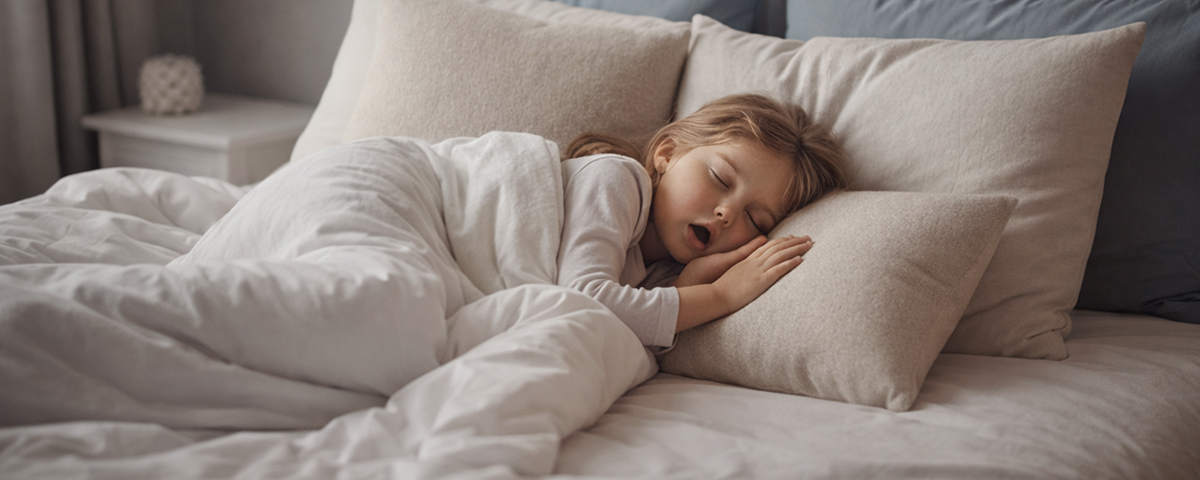
Most people think of sleep apnea as an adult problem linked to loud snoring. In reality, sleep apnea in children is a real and often missed condition that affects how well a child breathes during sleep. When breathing stops or becomes shallow, the body does not get enough oxygen.
Quality sleep plays a huge role in how children grow, learn, and behave. Poor sleep can lead to trouble in school, mood swings, and slow physical growth. Many parents attribute these issues to stress or screen time, without realizing sleep may be the underlying cause.
The good news is that pediatric sleep apnea is treatable. Early signs often appear at home. Once parents know what to look for, they can take the right steps toward diagnosis and care.
Key Takeaways
- Sleep apnea in children is more common than most parents realize.
- Poor sleep can affect a child’s growth, mood, learning, and behavior.
- Symptoms can show up at night and during the day.
- Pediatric sleep apnea is treatable once it is properly diagnosed.
- A pediatric sleep study is safe, painless, and an important next step.
What Is Pediatric Sleep Apnea?
Pediatric sleep apnea happens when a child’s breathing becomes blocked or interrupted during sleep. These pauses can last a few seconds and may happen many times each night. The most common type is pediatric obstructive sleep apnea, where the airway becomes blocked.
Children have smaller airways than adults. Even mild swelling or tissue growth can restrict airflow. When breathing stops, the brain briefly wakes the child to restore airflow. Most kids do not remember these moments, but their sleep becomes broken and shallow.
Over time, this lack of deep sleep affects the brain and body. Children may sleep for many hours but still wake up tired. This is why sleep apnea in kids often shows up as behavior or learning issues rather than complaints about sleep.
Signs of Sleep Apnea in Babies
Sleep apnea in babies can look very different from sleep apnea in older kids. Babies cannot tell you how they feel, so parents must watch closely during sleep.
What Does Sleep Apnea in Babies Look Like at Night?
Common signs include:
- Long pauses in breathing
- Snorting or gasping sounds
- Restless sleep with frequent movement
- Heavy sweating during sleep
Some infants show a pattern called periodic breathing. This involves short pauses in breathing followed by quick breaths. In newborns, this can be normal. It becomes a concern when pauses last longer, happen often, or come with color changes or gasping.
If your baby struggles to breathe during sleep or seems exhausted despite long sleep hours, it is worth talking to a pediatric specialist. Trust your instincts. Parents often notice changes before anyone else.
Sleep Apnea Symptoms in Kids
Sleep apnea in kids often becomes clearer as children grow. Symptoms may happen at night, during the day, or both.
Nighttime Symptoms Parents Often Miss
Many children with sleep apnea snore most nights. Some parents think snoring is harmless. Loud or regular snoring is not normal in children. Other nighttime signs include mouth breathing, frequent waking, bedwetting, or unusual sleep positions.
Some kids appear restless and toss around all night. Others sweat heavily even in a cool room. These are signs the body is working harder to breathe.
Daytime Signs That May Point to Child Sleep Apnea
Daytime symptoms often cause the most concern:
- Trouble waking up in the morning
- Mouth breathing during the day
- Excessive sleepiness
- Irritability or frequent mood changes
- Poor focus or learning struggles
Unlike adults, many children do not appear sleepy. Instead, they may seem hyperactive or easily distracted. This is why child sleep apnea sometimes get confused with behavior issues.
Looking for a Comfortable Way to Manage Sleep Apnea?
Discover custom oral appliances designed to treat sleep apnea comfortably and effectively.
Why Does Sleep Apnea Happen in Children?
Sleep apnea in children usually happens when something blocks airflow during sleep. The most common cause is enlarged tonsils or adenoids. These tissues sit near the airway and can grow large in early childhood.
When a child lies down, gravity causes these tissues to fall back and narrow the airway. Airflow becomes restricted, especially during deep sleep when muscles relax.
Other factors can also play a role. Chronic nasal congestion, allergies, and frequent colds can limit airflow. Some children have naturally narrow airways. Weight can contribute in some cases, but many children with pediatric sleep apnea are not overweight.
Understanding the cause helps guide treatment. That is why proper diagnosis matters.
How Is Sleep Apnea Diagnosed in Children?
Doctors cannot diagnose sleep apnea based on symptoms alone. The most accurate test is a pediatric sleep study, also called polysomnography. This assessment is typically performed at a specialized sleep center and is safe and painless for children.
At Midwest Sleep Remedies, we do not provide sleep studies, but our team can help you find trusted local facilities for evaluation and guide you through understanding your child’s results. Once a diagnosis is confirmed, we offer a range of sleep apnea medical devices and treatment solutions to support your child’s health.
When Should You See a Doctor?
If you notice ongoing symptoms, it is time to talk to a professional. Use this quick guide to help decide.
| Symptom | Impact |
|---|---|
| Loud snoring most nights | May signal airway blockage |
| Breathing pauses | Reduces oxygen during sleep |
| Daytime sleepiness | Affects learning and behavior |
| Mouth breathing | Suggests airflow issues |
| Night sweats | Body works harder to breathe |
Even one or two signs can justify an evaluation. Early care leads to better outcomes.
Helping Your Child Breathe Better and Sleep Better
If you worry about your child’s sleep, you are not overreacting. Parents know when something feels off. Sleep apnea in children is common, manageable, and often missed without the right tools.
Early diagnosis can improve mood, focus, growth, and overall health. A pediatric sleep study offers clear answers and a path forward. At Midwest Sleep Remedies, families receive compassionate care designed for children at every stage. Explore our range of sleep apnea medical devices and learn about oral appliances for sleep apnea.
Better sleep supports better days. Taking the next step today can make a lasting difference for your child’s health and happiness.
Frequently Asked Questions
Can a Child Outgrow Sleep Apnea?
Some children improve as they grow, especially if enlarged tonsils or adenoids shrink over time. However, not all children outgrow sleep apnea. Waiting without medical guidance can delay needed treatment.
Untreated sleep apnea can affect growth, heart health, and school performance. A sleep study helps determine if monitoring is safe or if treatment should begin now. It is always better to check than to guess.
Is Snoring Always a Sign of Sleep Apnea in Children?
Not all snoring means sleep apnea. Occasional snoring during a cold is common. Snoring becomes a concern when it happens most nights, sounds loud, or comes with breathing pauses.
If snoring affects sleep quality or daytime behavior, it should not be ignored. A professional evaluation can provide clarity and peace of mind.
What happens if pediatric sleep apnea is left untreated?
Untreated sleep apnea can affect a child’s growth, mood, and school performance. Over time, poor sleep may lead to learning problems, behavior changes, or heart strain. Early diagnosis helps prevent long-term issues and supports healthy development.
Have Questions About Disturbed Sleep?
Don’t wait for the symptoms to get worse. Talk to your doctor, get tested, and take the steps toward better sleep and a healthier life.