

Using an oral appliance can make a real difference in your sleep if you have sleep apnea. But getting consistent, long-term results depends on how well you care for it. Without proper maintenance, these devices can wear out faster, accumulate bacteria, or lose effectiveness in keeping your airway open.
In this guide, we’ll share practical tips to care for your oral appliances, so you can protect them and enjoy more restful nights.
Key Takeaways
- Oral appliances are effective tools for treating sleep apnea, but their performance depends on proper care.
- Regular cleaning keeps your oral appliance hygienic and effective.
- Proper storage prevents damage and extends the lifespan of the device.
- Avoid common mistakes like using hot water or abrasive cleaners.
- Inspect your appliance regularly and replace it when worn or damaged.
Why Proper Care Matters
Sleep apnea mouthguards are custom-fitted devices. These oral appliances for sleep apnea work by gently repositioning your jaw while you sleep, helping prevent airway collapse, reduce snoring, and improve oxygen flow. Since these devices are in constant contact with your mouth, saliva, and bacteria, avoiding proper care can lead to unpleasant odors, stains, or even oral health issues. Knowing how to maintain sleep apnea mouthguard hygiene is key to comfort, effectiveness, and long-term use.
Tips to Care for Your Oral Appliances
Daily Cleaning Routine
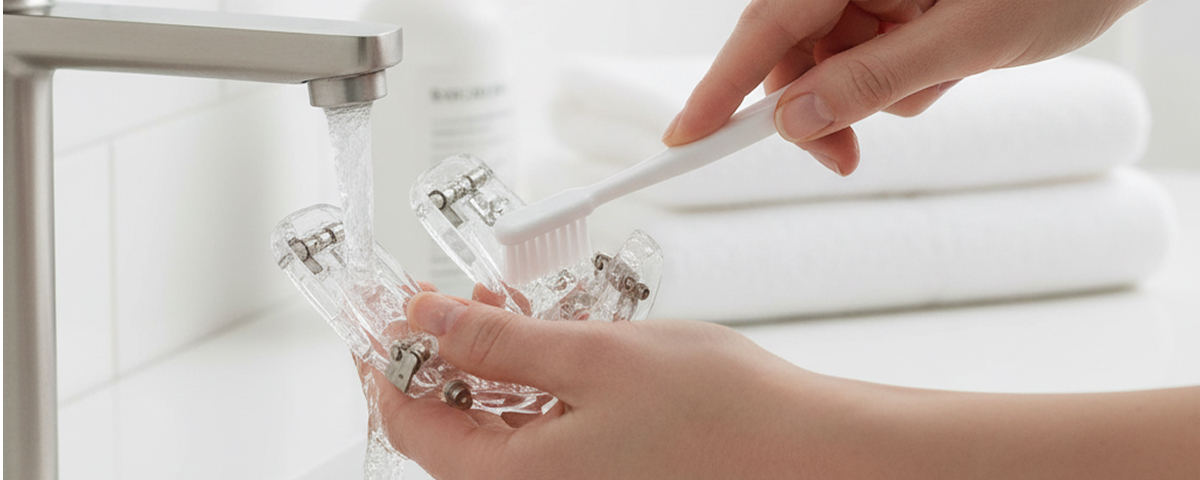
The heart of appliance care is a simple daily routine. After each night, rinse your device under lukewarm water to remove saliva and debris. Avoid hot water since it can warp the appliance. Then, gently brush it with a soft toothbrush and mild, non-abrasive soap. Toothpaste should be avoided because it can scratch the surface, creating tiny spots where bacteria can gather.
For extra protection, use a solution for oral appliance cleaning for sleep apnea once or twice a week, following the instructions carefully. These tablets or solutions help remove lingering bacteria and prevent discoloration. Even a small weekly routine can make a big difference in keeping your device safe and hygienic.
Weekly Deep Cleaning Tips
Along with daily care, a weekly deep clean keeps your appliance in top shape. Mix equal parts water and white vinegar or hydrogen peroxide and soak your device for 15–20 minutes. This helps disinfect and remove stubborn buildup. After soaking, brush gently and rinse under lukewarm water. Make sure your device is fully dry before storing it.
If your appliance has metal components, avoid long soaks in vinegar, as it could cause corrosion. Stick to mild dental disinfectant solutions to keep your device clean and safe without causing damage.
Proper Storage Practices
How you store your oral appliance is just as important as cleaning it. Always use a ventilated case to prevent moisture buildup, which can encourage bacteria or mold growth. Avoid wrapping the appliance in tissues or storing it in a sealed container without airflow.
Keep it away from direct sunlight, heat, and pets. Many appliances are made from thermoplastic materials that can warp at high temperatures. Taking a few extra minutes to store your device properly can prevent costly replacements and keep it comfortable to wear.
Avoid Common Mistakes
Small habits can significantly affect your appliance’s lifespan and performance. Some common mistakes to avoid are:
- Using toothpaste or abrasive cleaners.
- Exposing the appliance to hot water.
- Skipping regular cleaning.
- Dropping or mishandling it.
- Storing it in unclean or humid places.
Being mindful of these habits will help you maintain sleep apnea mouthguard hygiene and ensure your device remains effective and comfortable.
Looking for a Comfortable Way to Manage Sleep Apnea?
Discover custom oral appliances designed to treat sleep apnea comfortably and effectively.

When to Replace Your Oral Appliance
Even with proper care, oral appliances don’t last forever. Signs that it’s time for a replacement include cracks, warped areas, loose fittings, or persistent odors that don’t go away with cleaning. Regular dental checkups are also important to monitor the appliance and keep your treatment on track.
If you notice changes in your jaw alignment or experience discomfort while sleeping, a professional adjustment may be necessary. Proper care and timely replacements work together to keep your sleep apnea under control.
Combining Maintenance with Oral Health
Taking care of your oral appliance works best when you also maintain good oral health. Brush your teeth twice a day, floss daily, and rinse with an antiseptic mouthwash. Healthy teeth and gums help prevent bacteria buildup that could affect both your appliance and your overall oral health.
Routine dental visits are also important. Your dentist can check the appliance, make adjustments, and ensure your therapy stays effective. Taking care of both your oral appliance and your oral health ensures you get the most benefit from your treatment.
Travel Tips for Oral Appliance Care
Traveling with a sleep apnea mouthguard takes a little extra planning. Always carry a sturdy case to protect your device. Pack travel-size cleaning tablets or a small bottle of mild soap and a soft toothbrush. Avoid putting your appliance in checked luggage since extreme temperatures could damage it.
For overnight trips, rinse and clean your appliance at night, then let it air dry before storing it. Sticking to your routine while traveling helps you stay consistent and ensures your therapy remains effective no matter where you are.
Final Tips to Extend Lifespan
Here are a few more tips to care for your oral appliances:
- Avoid chewing on the appliance.
- Wash your hands and keep your nails trimmed before handling.
- Replace the storage case if it becomes cracked or unsanitary.
- Use cleaning tablets regularly.
- Inspect the appliance frequently for cracks or damage.
Consistent care makes a real difference. A few minutes each day keeps your device working longer, saves money, and ensures comfort.
CPAP-Free Solutions at Midwest Sleep REMedies
At Midwest Sleep REMedies, we provide custom oral appliances designed to treat sleep apnea comfortably without CPAP machines. With our personalized approach, you can maintain your appliance easily while enjoying better sleep night after night. Contact us today and get expert guidance on sleep health and oral appliances.
Conclusion
Proper maintenance of your oral appliance is essential for comfort, hygiene, and treatment success. By learning how to clean a dental device for sleep apnea, storing it correctly, avoiding common mistakes, and staying proactive with replacements, you can make sure your therapy remains effective. Following these tips to care for your oral appliances can help your device last longer, work more effectively, and let you enjoy restful sleep every night.
Moreover, if you want to explore CPAP-free solutions or need a custom-fitted oral appliance, our team at Midwest Sleep REMedies is here to help. Reach out to us today and let us guide you through personalized care and maintenance, so your device continues to support better sleep and overall health.
Have Questions About Disturbed Sleep?
Don’t wait for the symptoms to get worse. Talk to your doctor, get tested, and take the steps toward better sleep and a healthier life.