

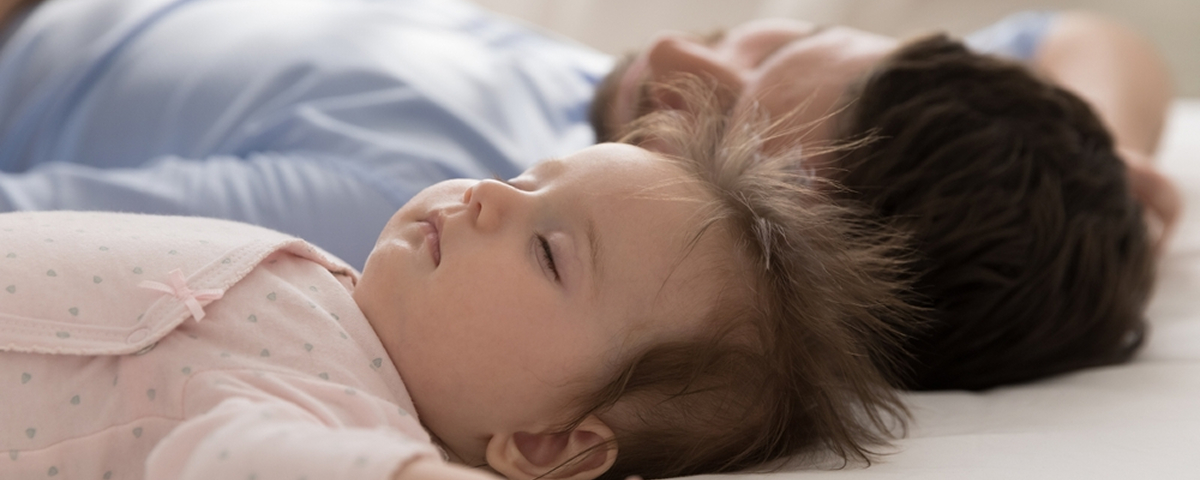
If you have a close family member suffering from sleep apnea, then one question is likely to arise in your mind: Is sleep apnea genetic? Sleep apnea often appears to “run in families,” which naturally raises concerns about heredity and personal risk. If you’ve ever wondered whether this sleep disorder can be passed down, or what that means for your health, you’re not alone.
The short answer is that genetics can play a role, but they’re not the only factor. In this guide, we’ll break down whether sleep apnea is hereditary, explain how genetics influence risk, and clarify what you can do if sleep apnea runs in your family. Stick with this guide to understand the science, recognize symptoms early, and take informed steps toward better sleep and long-term health.
Key Takeaways
- Sleep apnea can be genetic, especially obstructive sleep apnea.
- Family history increases risk but doesn’t guarantee the condition.
- Inherited traits like jaw shape and neck size affect airway collapse.
- Lifestyle factors can worsen genetic risk.
- Early diagnosis helps prevent serious health complications.
Understanding Sleep Apnea: A Quick Overview
Sleep apnea is a sleep-related breathing disorder characterized by repeated pauses in breathing during sleep. These interruptions can occur dozens or even hundreds of times per night, often without the person realizing it.
There are two primary types of sleep apnea:
- Obstructive Sleep Apnea (OSA): Caused by physical blockage of the airway when throat muscles relax.
- Central Sleep Apnea (CSA): Occurs when the brain fails to send proper signals to control breathing.
Obstructive sleep apnea is by far the most common form and the one most closely linked to genetics. As we explore whether sleep apnea is genetic, it’s important to understand that most genetic research focuses on OSA rather than central sleep apnea.
Common Sleep Apnea Symptoms
Sleep apnea doesn’t always look the same for everyone, but several symptoms appear frequently. Common sleep apnea symptoms include:
- Sleep-disordered breathing, including loud snoring
- Excessive daytime sleepiness
- Not feeling rested, even after a full night’s sleep.
- Morning headaches
- Dry mouth or a sore throat in the morning
Because these symptoms can develop gradually, many people dismiss them as stress or poor sleep habits. However, untreated sleep apnea can lead to serious health complications over time.
Health Risks of Untreated Sleep Apnea
When sleep apnea goes untreated, the repeated drops in oxygen levels place significant stress on the body. Over time, this can contribute to:
- Heart disease
- High blood pressure
- Heart failure
- Diabetes
- Mental health conditions such as depression or anxiety
- Erectile dysfunction
These risks make early detection especially important, particularly for individuals wondering if sleep apnea inherited traits may be affecting them.
Is Sleep Apnea Hereditary?
So, is sleep apnea genetic, or is it purely lifestyle-driven? Research suggests the answer is both.
Studies published through major biomedical research institutions show that genetics significantly influence the likelihood of developing obstructive sleep apnea. Experts estimate that roughly 40% of the variation in apnea severity, measured by the Apnea-Hypopnea Index (AHI), can be attributed to genetic factors.
In contrast, central sleep apnea appears to have little genetic influence and is more often linked to neurological or medical conditions or some sleep positions, too. This distinction is important when evaluating whether sleep apnea inherited risk of sleep apnea applies to you or your family.
Does Sleep Apnea Run in Families?
Yes, sleep apnea can and often run in families. If you have a close relative, such as a parent or sibling, with obstructive sleep apnea, your own risk increases.
When people ask, does sleep apnea run in families, they’re usually observing patterns tied to shared genetics rather than shared habits alone. Family members often inherit similar facial structures, body composition, and airway anatomy, all of which can raise the likelihood of developing OSA.
That said, genetics don’t guarantee you’ll develop the condition. Instead, they increase susceptibility, especially when combined with environmental factors or habits that make sleep apnea worse.
Looking for a Comfortable Way to Manage Sleep Apnea?
Discover custom oral appliances designed to treat sleep apnea comfortably and effectively.
What Genetic Factors Contribute to Sleep Apnea?
Obstructive sleep apnea isn’t “just” about relaxed throat muscles. Genetics influence many physical traits that affect airway stability and breathing during sleep.
If you resemble your parents externally, chances are that you also resemble them internally. The more relatives you have with sleep apnea, the higher your risk, particularly if obesity or weight gain is also present.
Several genetically influenced traits increase sleep apnea risk, including:
- A small or recessed lower jaw
- Large tonsils
- A thicker neck circumference
- Hypothyroidism (low thyroid hormone production)
- Being male
- Skull or facial abnormalities, such as a cleft palate
- Congenital conditions like Down syndrome or cerebral palsy
Each of these factors contributes to airway narrowing or collapse during sleep, reinforcing the idea that there is a genetic component to sleep apnea.
The Role of Race and Ethnicity
Genetics doesn’t operate in isolation. Research shows that race and ethnicity may also influence sleep apnea risk. Multi-ethnic studies suggest that individuals with African American, Hispanic, or Native American ancestry have a higher likelihood of developing sleep apnea.
This increased risk appears to stem from inherited craniofacial structures, genetic predispositions, and higher rates of obesity, not from race itself. These findings further support the concept that sleep apnea is, at least in part, sleep apnea genetic in nature.
Genetics vs. Lifestyle: How They Work Together
Even if sleep apnea is genetic applies to your family, lifestyle still plays a major role. Genetics may load the gun, but lifestyle often pulls the trigger.
Factors that can worsen genetically influenced sleep apnea include:
- Weight gain
- Smoking
- Alcohol use
- Poor sleep posture
- Untreated nasal congestion
The good news is that while you can’t change your genetics, you can modify many of these contributing factors to reduce your risk or severity of symptoms.
When to Talk to Your Doctor?
If you or your child shows signs of sleep apnea, it’s important to seek medical guidance. Symptoms may include snoring, daytime fatigue, morning headaches, trouble concentrating, or irritability. A bed partner may notice gasping, choking, or pauses in breathing during sleep.
Children may also experience night sweats, bedwetting, mouth breathing, or hyperactivity.
Your doctor can assess symptoms, review family history, and determine whether sleep apnea may be present. If needed, they can refer you to a sleep specialist for further testing, or some lifestyle changes. Early diagnosis allows for effective treatment and significantly lowers the risk of complications, especially when an inherited risk is involved.
Final Thoughts: Is Sleep Apnea Genetic?
So, is sleep apnea genetic? The evidence clearly shows that genetics plays a meaningful role, particularly in obstructive sleep apnea. Traits like jaw shape, neck size, and airway structure can be passed down, creating a genetic component to sleep apnea that increases risk.
However, genetics is only part of the picture. Lifestyle choices, health conditions, and early intervention all influence whether sleep apnea develops and how severe it becomes.
If sleep apnea runs in your family, awareness is your strongest advantage. Recognizing symptoms early, talking to your doctor, and pursuing proper evaluation can help you protect your sleep and your overall health for years to come. Additionally, contacting a reliable partner can help you gain better control of your overall health and sleep. Midwest Sleep REMedies is your go-to option for finding the right solution for your sleep issues.
Have Questions About Disturbed Sleep?
Don’t wait for the symptoms to get worse. Talk to your doctor, get tested, and take the steps toward better sleep and a healthier life.