

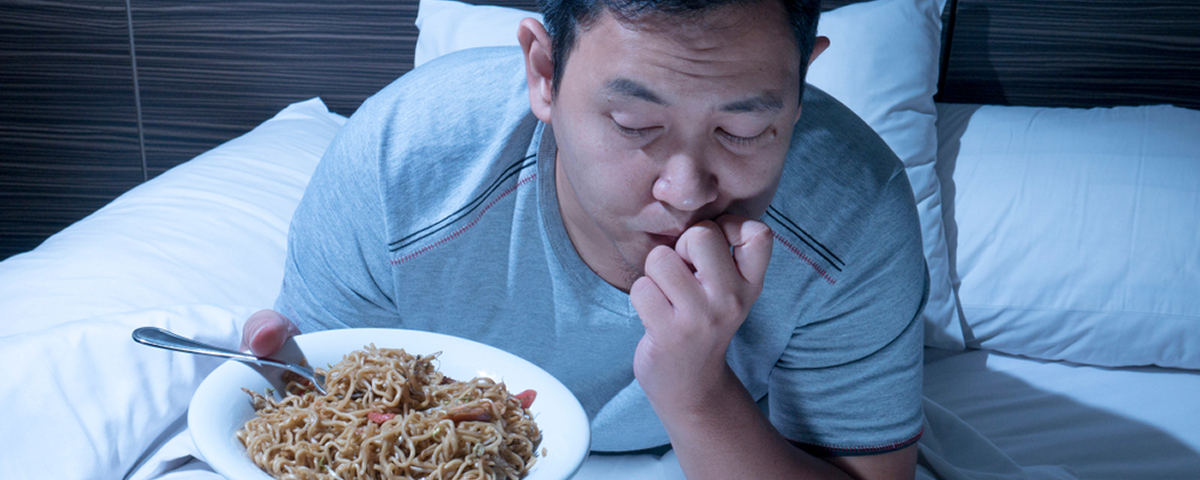
Most people focus on what they eat, but the timing of meals becomes essential too, especially if you have sleep apnea. Sleep apnea is a disorder in which you experience irregular breathing, often due to airway obstruction or poor respiratory control. While there are various factors like weight, alcohol usage, and sleep positioning, these are well-known triggers of sleep apnea. However, recent studies show that meal timing and sleep apnea are also closely linked. Eating close to bedtime can have a direct impact on the quantity and quality of sleep.
Moreover, eating right before sleep can disturb your internal clock, known as the circadian clock, which regulates your sleep and wake cycles. Furthermore, understanding how meal timing affects sleep apnea can help you make small but powerful lifestyle changes that improve your nighttime breathing.
Key Takeaways
- Eating late increases airway pressure, reflux, and apnea episodes.
- Meal timing and sleep apnea are closely linked, earlier dinners aid breathing.
- Irregular eating disrupts your circadian rhythm and sleep quality.
- Light, early meals and avoiding caffeine or alcohol improve rest.
- Consistent meal and sleep schedules support better oxygen flow and energy.
Role of Sleep Apnea and Diet
Sleep apnea is a chronic condition in which you’re breathing repeatedly stops and starts during sleep. The most common type, obstructive sleep apnea (OSA), occurs when throat muscles relax too much, causing the airway to narrow or collapse. This leads to reduced oxygen levels and repeated awakenings throughout the night, even if you don’t remember them. Therefore, what does food have to do with this? While dieting can influence your weight and airway health, your eating schedule also plays a surprising role.
Late or heavy meals can worsen acid reflux, push the diaphragm upward, and increase pressure around your airway, all of which contribute to more frequent apnea episodes. Nearly 60% of individuals with sleep apnea also suffer from nighttime acid reflux, a condition that late or heavy meals can significantly worsen. So yes, what and when you eat both matter if you’re trying to manage sleep apnea effectively.
How Meal Timing Affects Sleep Apnea
The timing of your meals affects not only your digestion but also how your body prepares for rest. Here’s how meal timing affects sleep apnea in detail:
1. Eating Late Increases Airway Pressure
When you eat right before bedtime, your stomach is still full while you lie down. However, gravity no longer helps keep the contents of your stomach in place, so pressure builds up and can push against your diaphragm. This pressure makes it harder for your lungs to expand properly, leading to shallow breathing or apnea episodes.
2. It Triggers Acid Reflux and Inflammation
Late-night meals, especially fatty or spicy foods, can lead to acid reflux (GERD), a condition where stomach acid flows back into the throat. For people with sleep apnea, this is a dangerous combination. The acid irritates the throat, narrows the airway, and can cause choking or coughing during sleep. Over time, this irritation can worsen inflammation, making your airway even more prone to collapsing at night.
3. Disrupted Circadian Rhythm
Your body’s circadian rhythm regulates both sleep and digestion. Late eating confuses this system, as your digestive organs remain active when your body should be preparing for rest. However, this can reduce sleep efficiency, increase nighttime awakening, and lead to fatigue the next day. When digestion overlaps with sleep, your body works overtime, which worsens sleep fragmentation, a common issue among people with sleep apnea.
4. Blood Sugar and Hormone Imbalance
Late-night meals often cause spikes in blood sugar, which can interfere with melatonin (the sleep hormone) and leptin (the hunger-regulating hormone). Therefore, this imbalance not only affects sleep onset but also influences how well your respiratory system functions overnight. Poor hormone regulation can also contribute to weight gain, a major risk factor for sleep apnea.
Signs That Late Eating Is Affecting Your Sleep Apnea
If you notice the following signs, your eating schedule may be impacting your sleep apnea more than you think:
- Worsening snoring or breathing pauses after heavy dinners.
- Morning heartburn or sour taste upon waking.
- Increased daytime fatigue despite sleeping for enough hours.
- Restless sleep or frequent awakenings throughout the night.
- Feeling bloated or uncomfortable when lying down.
These symptoms indicate that the body is struggling to manage both digestion and breathing during sleep.
Looking for a Comfortable Way to Manage Sleep Apnea?
Discover custom oral appliances designed to treat sleep apnea comfortably and effectively.
The Ideal Eating Schedule for Better Sleep Apnea Management
Are you looking for the best way to structure your meals to support healthy breathing at night? Here’s how to create a routine that benefits both your sleep and your digestive system:
1. Finish Dinner 3–4 Hours Before Bed
While following this, you can give your stomach enough time to digest most of your meal before you lie down. By bedtime, your diaphragm and airway will face less pressure, reducing the risk of reflux and apnea episodes.
2. Keep Dinners Light
Opts for easy-to-digest foods like grilled chicken, fish, steamed vegetables, or whole grains. Moreover, avoid heavy, fatty, or fried foods close to bedtime since they slow down digestion.
3. Avoid Late-Night Snacks
That “midnight craving” might feel harmless, but it can restart your digestive process just as your body is preparing for rest. If you must eat, choose something light like a banana or yoghurt, and eat it at least an hour before lying down.
4. Maintain a Consistent Eating Schedule
Just like a consistent bedtime improves sleep quality, regular mealtimes help stabilize your circadian rhythm. However, eating at predictable intervals helps your body anticipate digestion, reducing nighttime discomfort, and supporting better sleep patterns.
5. Limit Caffeine and Alcohol
Caffeine can delay your sleep onset, while alcohol relaxes throat muscles, worsening airway collapse during sleep. However, you should try to avoid both hours of bedtime.
Simple Habits to Break the Late-Night Eating Cycle
Breaking the habit of late-night eating takes time, but consistency pays off. Here are some strategies that can help you shift your eating pattern gradually:
- Schedule your last meal around the same time each evening, ideally 7–8 PM.
- Sometimes thirst is mistaken for hunger; drink water instead of snacking late.
- Dim the lights, read, or practice breathing exercises instead of eating before bed.
- Eating balanced meals throughout the day reduces nighttime cravings.
- Note how your sleep quality improves when you finish meals earlier.
These small changes can go a long way in improving both digestion and sleep apnea control.
Final Thoughts
The connection between meal timing and sleep apnea is stronger than many people realize. Late-night meals don’t just affect digestion; they also influence your airway, breathing rhythm, and oxygen levels. By eating earlier, choosing lighter dinners, and sticking to a steady routine, you can make your nights calmer and your mornings more energized.
At Midwest Sleep REMedies, we understand that lifestyle changes, like improving meal timing and other habits that make sleep apnea worse, work best when paired with the right treatment. That’s why we specialize in CPAP-free solutions for obstructive sleep apnea (OSA), offering custom-fit oral appliances that help you breathe easier and sleep better, without bulky equipment.
However, if you are looking for expert evaluations, digital impressions, and ongoing care to ensure your sleep treatment fits seamlessly into your life, whether you’re managing late-night habits or shifting to healthier routines, consider consulting a sleep treatment professional.
Have Questions About Disturbed Sleep?
Don’t wait for the symptoms to get worse. Talk to your doctor, get tested, and take the steps toward better sleep and a healthier life.