
Sleep apnea is a common sleep-related disorder that disrupts your normal breathing during sleep. These interruptions in your breathing can lead to low oxygen levels and poor sleep quality. Over time, if left untreated, sleep apnea can increase the risk of cardiac problems, high blood pressure, and chronic fatigue.
However, effective treatments are available that can help manage sleep apnea and improve sleep quality. One of the most effective approaches is oral appliance therapy for sleep apnea.
In this blog, we’ll walk you through what oral appliance therapy is and why it might be the right option for you. Also, we’ll explore how oral appliances for sleep apnea work. By the end, you’ll have a clear understanding of how oral appliances support healthier breathing and restful sleep.
Key Takeaways
- Sleep apnea is a sleep disorder that can disrupt breathing and reduce sleep quality.
- Oral appliance therapy for sleep apnea offers an effective way to manage the condition.
- These appliances are travel-friendly, quiet, and easier to use consistently.
- Regular maintenance and monitoring ensure the device stays effective and comfortable.
What Are Oral Appliances for Sleep Apnea?
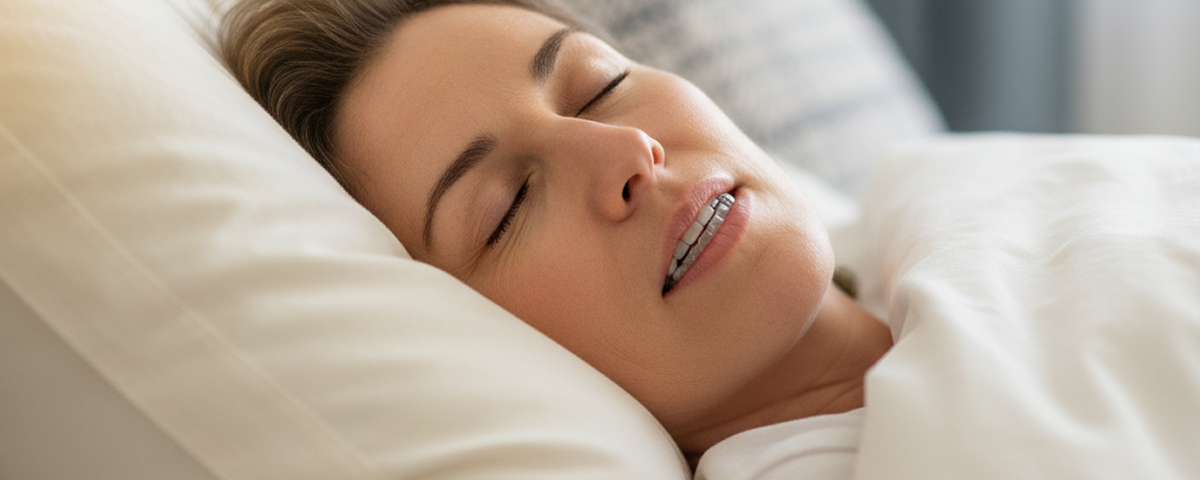
Oral appliances are custom-made dental devices used to treat obstructive sleep apnea (a type of sleep apnea in which the airway becomes partially or completely blocked during sleep). These devices are worn in the mouth during sleep. They work by repositioning your jaw or tongue to keep your airway open throughout the night.
Furthermore, many people find oral appliance therapy for sleep apnea effective because it is a non-invasive and comfortable alternative to CPAP therapy. Unlike a CPAP machine, which can sometimes be difficult to use and feel uncomfortable, oral appliances are quiet, portable, and convenient. All in all, oral appliance therapy is an effective and commonly recommended option for people with mild to moderate OSA.
How Oral Appliances for Sleep Apnea Work
Understanding how oral appliances for sleep apnea work is key to using them effectively and getting the most benefit from treatment.
Oral appliances help people with sleep apnea by keeping the airway open during sleep. When you fall asleep, the muscles in your throat relax. However, in some people, this relaxation allows the tongue or soft tissues to collapse backward, partially or completely blocking airflow. Oral appliances prevent that from happening.
In oral appliance therapy for sleep apnea, small, custom-fitted devices are worn in the mouth while you sleep. They work by gently repositioning your lower jaw forward, keeping the airway open to prevent breathing interruptions.
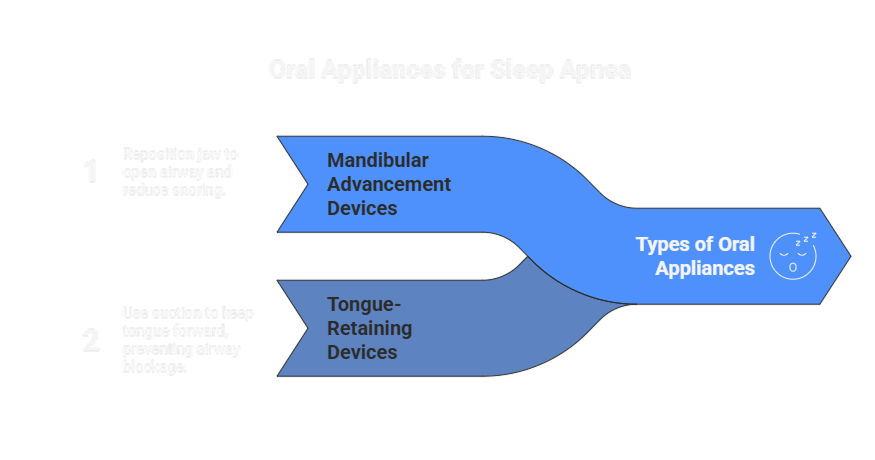
There are two main types:
-
Mandibular Advancement Devices (MADs):
Mandibular advancement devices are among the most commonly used oral appliances to treat mild to moderate obstructive sleep apnea and snoring. It works by repositioning your mandible (lower jaw) slightly forward during sleep.
This adjustment of the mandible also moves the tongue and soft tissues forward, enlarging the space behind the tongue and soft palate. As a result, the airway stays open, reducing the collapse that can block airflow and cause interruptions in breathing.
-
Tongue-Retaining Devices (TRDs):
Tongue-retaining devices (TRDs) are another type of oral appliance used to treat obstructive sleep apnea and snoring. Unlike MADs, TRDs work by gently holding the tongue in a forward position using suction. This prevents the tongue from collapsing backward into the throat, which can block the airway during sleep.
By keeping the airway clear, TRDs help reduce breathing interruptions and improve overall sleep quality. Furthermore, tongue-retaining devices are best suited for those who cannot tolerate jaw discomfort.
Both MADs and TRDs are non-invasive oral appliance therapies for sleep apnea. They help keep the airway open and improve air flow. However, the choice depends on the type of airway obstruction, jaw comfort, dental condition, and personal preference.
Looking for a Comfortable Way to Manage Sleep Apnea?
Discover custom oral appliances designed to treat sleep apnea comfortably and effectively.
What are the Benefits of Oral Appliances for Sleep Apnea?
Oral appliance therapy for sleep apnea offers several benefits (learn more about the benefits of oral appliances for sleep apnea) to help people manage the condition and get restful sleep.
The Key benefits include:
- Comfort and convenience: No hoses, noise, or bulky equipment.
- Travel-friendly: Small enough to fit in your pocket or purse.
- Better compliance: Easier to use nightly than CPAP for most patients.
- Custom fit: Made specifically for your mouth, ensuring comfort and function.
- Improved sleep quality: Less snoring and fewer breathing interruptions, and ultimately, more restful sleep.
Overall, oral appliance therapy for sleep apnea is an effective way to treat OSA when they are used consistently and fitted properly.
How to Maintain Your Oral Appliance for Sleep Apnea
Taking good care of your oral appliance is important if you want it to stay comfortable, effective, and long-lasting. Since you use it every night, you have to maintain your oral appliance to make sure it continues to fit well and support your breathing. The device can collect saliva, plaque, and bacteria, so regular cleaning keeps it in good condition and protects your oral health.
Here are some tips to care for your oral appliances:
1: Rinse your appliance with cool or lukewarm water when you take it out in the morning.
2: Use a soft-bristle toothbrush and mild soap to clean the appliances.
3: Do not use hot water, as it can change the shape of the device.
4: Keep it in its protective case during the day to prevent damage or bending.
5: Schedule follow-ups with your dentist to check the fit and determine if the device is still working effectively.
Side Effects of Oral Appliances
Sleep apnea mouth guard effectiveness is generally high, but despite their benefits, oral appliances may also have some side effects, such as:
- Tooth and jaw soreness: You may feel soreness in the jaw or tooth, especially in the beginning of using the oral appliances.
- Excess salivation: Many people experience excessive saliva production or dry mouth while wearing the oral appliances.
- Gum irritation: The appliance may rub against the gums, causing mild irritation.
- Changes in bite and tooth movement: Prolonged use of oral appliances can slightly shift teeth or alter your bite.
When to Replace Your Oral Appliance
Oral appliances are designed to last for several years, but over time, normal wear and tear can reduce how well they work. It’s important to replace your device when you start noticing changes in how it feels or performs.
Below are some signs you may need to replace your oral appliance:
Firstly, one of the most common things people notice is physical damage, such as small cracks or chips. In addition to this, if your oral appliance feels looser than before, it may be a sign that you need to replace it.
Secondly, new discomfort in your teeth, gums, or jaw can signal that the device no longer fits properly. You may also notice snoring or sleep apnea symptoms returning.
Moreover, if you observe changes in your bite, it can affect how the device fits and may reduce your sleep apnea mouth guard effectiveness.
These are the clear signs that indicate the oral appliance may need to be replaced to maintain proper sleep apnea treatment. Also, regular check-ups with your dentist or sleep specialist are important to catch these issues early and determine the right time to replace your oral appliance.
Custom Oral Appliances at Midwest Sleep REMedies
If you or your loved ones are looking for a comfortable, CPAP-free treatment for sleep apnea, Midwest Sleep REMedies offer custom oral appliances specifically designed for patients who prefer a non-CPAP solution. From the initial patient evaluation to long-term follow-up care, our team ensures that each appliance fits comfortably and works effectively. This personalized approach helps improve sleep quality, reduce snoring, and support overall health, so you can wake up feeling more rested and energized every day.
Conclusion
In summary, oral appliance therapy offers a comfortable, effective, and CPAP-free way to manage sleep apnea and improve overall sleep quality. By understanding how oral appliances for sleep apnea work, you can make informed decisions about your treatment. This helps you take steps toward healthier, more restful nights.
If you want to explore a personalized solution, contact Midwest Sleep REMedies today and find out how a custom oral appliance can help you sleep better and breathe easier.
Have Questions About Disturbed Sleep?
Don’t wait for the symptoms to get worse. Talk to your doctor, get tested, and take the steps toward better sleep and a healthier life.