

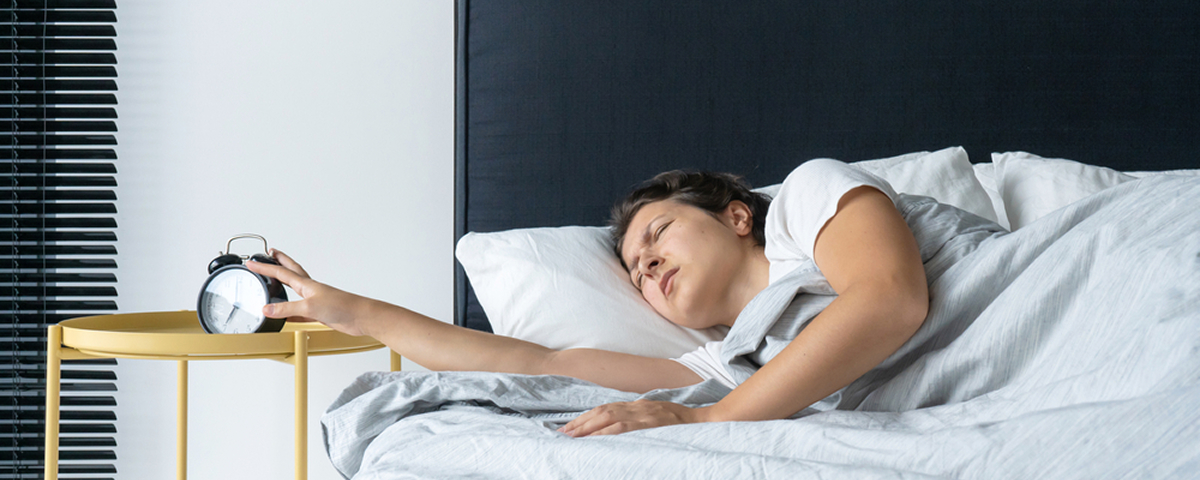
We often hear that a healthy night’s sleep is essential for your overall well-being, but what’s less discussed is what time you sleep. For people with sleep apnea, the time you go to bed, and how consistent it is can make a major difference in how severe your symptoms are. Sleep apnea is a condition in which breathing starts and stops repeatedly during sleep. In response, the brain briefly wakes you to restart breathing, but these interruptions prevent deep, restorative rest.
However, if you struggle to sleep at night, it’s because of your night routine that is causing you issues, so in this blog, we’ll explore the effect of irregular bedtimes on sleep apnea, how it impacts your breathing and overall sleep quality, and what you can do to regain control of sleep patterns.
Key Takeaways
- Irregular bedtimes disrupt your circadian rhythm and can worsen sleep apnea symptoms.
- Consistent sleep schedules help reduce apnea episodes and improve oxygen levels.
- Signs like fatigue, loud snoring, and headaches signal worsen sleep apnea episodes.
- Healthy bedtime habits, avoiding caffeine, screens, and late meals, support better sleep quality.
- Maintaining a steady sleep routine enhances therapy effectiveness and boosts overall health.
Understanding Sleep Apnea
Sleep apnea is a chronic sleep disorder where breathing repeatedly stops and starts during sleep. The most common type, obstructive sleep apnea (OSA), occurs when the muscles at the back of the throat relax excessively, causing the airway to narrow. As a result, you go through reduced oxygen levels, frequent awakenings, loud snoring, and unrefreshing sleep. While weight, anatomy, and lifestyle are known contributors, recent studies reveal another important factor: irregular sleep patterns and OSA severity are strongly linked.
However, people who don’t follow a steady bedtime routine tend to experience more severe apnea symptoms and poorer sleep quality overall. Moreover, it is estimated that around 25% of men and 10% of women experience sleep apnea. Research shows that sleep apnea and irregular sleep schedules are closely connected. Irregular bedtimes can disrupt your body’s internal clock, affect breathing patterns, and even worsen apnea events throughout the night.
The Connection Between Sleep Apnea and Irregular Sleep Schedule
Your body runs on a natural rhythm called the circadian rhythm, which controls when you feel awake or sleepy. When you go to bed and wake up at inconsistent times, this rhythm becomes misaligned, leading to fragmented sleep and poor airway muscle regulation.
This is where the relationship between sleep apnea and irregular sleep schedule becomes clear:
- An irregular schedule can disrupt the body’s control over airway tone.
- Inconsistent bedtimes reduce deep and REM sleep, where breathing stability is best maintained.
- The brain struggles to synchronize breathing and sleep cycles, worsening apnea episodes.
In other words, every time you shift your bedtime, your body must readjust its rhythm, a process that’s especially difficult for people with OSA.
Signs Your Sleep Apnea Is Getting Worse
Sleep apnea and irregular sleep pattern and OSA severity worsens over time if left untreated or poorly managed. However, recognizing the warning signs early can help you prevent serious health complications and seek timely medical care. Here are some key indicators that your condition may be progressing:
- Increased Daytime Fatigue: If you’re feeling more tired during the day despite getting enough hours of sleep, it could mean your apnea episodes are becoming more frequent or severe.
- Louder or More Frequent Snoring: A noticeable increase in snoring intensity or duration often signals that your airway is becoming more obstructed during sleep.
- Morning Headaches and Dry Mouth: These symptoms suggest your oxygen levels are dropping more often through the night, disrupting normal breathing.
- Frequent Nighttime Awakenings: Waking up gasping, choking, or struggling to breathe is a clear sign that your apnea is worsening.
- Decline in Concentration or Mood: Increased irritability, brain fog, or difficulty focusing can result from poor oxygen supply and fragmented sleep.
If you notice these changes, it’s essential to consult your healthcare provider. Adjusting your treatment plan, improving sleep habits, or exploring new therapy options can help you regain control and protect your overall health.
Looking for a Comfortable Way to Manage Sleep Apnea?
Discover custom oral appliances designed to treat sleep apnea comfortably and effectively.
How Irregular Sleep Patterns Affect OSA Severity
The link between irregular sleep patterns and OSA severity is supported by growing research. Studies from sleep medicine journals indicate that people who have highly variable bedtimes experience more frequent and longer apnea episodes than those with consistent routines.
Even a difference of one to two hours in bedtime can impact your body’s ability to maintain healthy breathing rhythm. Late-night activities, weekend socializing, or use of excessive screen time before bed can all contribute to sleep fragmentation and worsen apnea symptoms.
Over time, these variability compounds, poor-quality sleep leads to fatigue, fatigue leads to poor bedtime habits, and the cycle continues.
What You Can Do About It
The good news? Stabilizing your bedtime routine can significantly reduce sleep apnea severity and improve overall well-being. Here are practical steps to help you manage irregular bedtimes and sleep apnea:
1. Set a Consistent Sleep-Wake Schedule
Try to go to bed and wake up at the same time every day even on weekends. A steady routine helps your body regulate its circadian rhythm, promoting better airway muscle control and fewer apnea episodes.
2. Aptos Bold
Create a pre-sleep ritual to signal to your body it’s time to rest. This could include dimming the lights, avoiding screens, and engaging in relaxing activities like deep breathing or reading.
3. Avoid Late-Night Meals and Alcohol
Eating or drinking close to bedtime can worsen sleep apnea and irregular sleep schedule effects. Alcohol relaxes throat muscles, while heavy meals increase reflux, both of which aggravate airway obstruction.
4. Limit Caffeine and Blue Light Exposure
Caffeine and device screens delay melatonin production, pushing your bedtime later. Reducing these can make it easier to maintain a consistent schedule.
5. Create a Sleep-Friendly Environment
Keep your room cool, dark, and quiet. A stable environment helps reinforce your bedtime habits and supports deeper, uninterrupted sleep.
6. Use Positional or CPAP Therapy
If you already use CPAP or positional therapy, combining it with a fixed bedtime can enhance its effectiveness. Regularity allows your body to adapt better to therapy over time.
Long-Term Benefits of a Consistent Sleep Schedule
Once you establish regular bedtimes, you’ll likely notice improvements not only in apnea symptoms but also in daily energy and focus. Consistency helps:
- Reduce apnea frequency and severity.
- Improve oxygen levels and heart health.
- Boost alertness and emotional stability.
- Support overall metabolism and weight control.
- Keeping your body’s clock aligned allows it to optimize sleep health, minimize breathing interruptions, and strengthen respiratory control during rest.
Final Thoughts
The effect of sleep apnea and irregular sleep schedules is more serious than many realize. When you constantly shift between an inconsistent sleep schedule and sleep apnea, your body loses its natural rhythm, worsening apnea episodes, and daytime fatigue. By maintaining consistent bedtimes, practicing good sleep hygiene, and following your treatment plan, you can take meaningful steps toward improving sleep quality and reducing apnea severity. If you’d like to learn more about how lifestyle changes impact sleep apnea, explore our comprehensive guide on habits that make sleep apnea worse for detailed insights and practical solutions.
Have Questions About Disturbed Sleep?
Don’t wait for the symptoms to get worse. Talk to your doctor, get tested, and take the steps toward better sleep and a healthier life.